Books
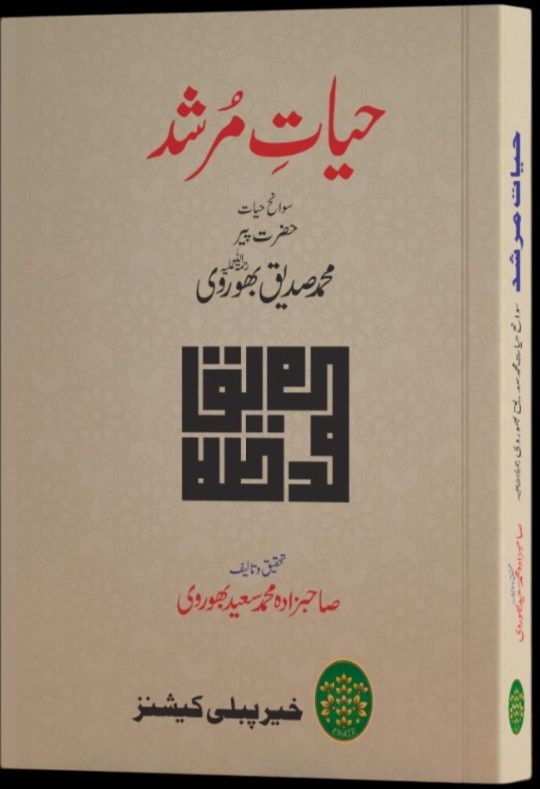
Hayat e Murshed
Hazrat Maulana Muhammad Siddique Naqshbandi Mujaddidi Bhorvi (1913-2008) was a distinguished spiritual guide of the Naqshbandiya Mujaddidiya order in the twentieth century and the revered leader of Astana Aaliya Bhor Sharif, Mianwali. In an era of scarcity of great men, he embodied rare virtues of knowledge, sincerity, compassion, forbearance, and spiritual excellence, serving as a complete exemplar of the pious predecessors. This book, 'Hayat-e-Murshid' (The Life of Spiritual Guide), presents his praiseworthy qualities, life circumstances, acts of worship, letters, sayings, miraculous acts, and the virtues of the Naqshbandiya Mujaddidiya order. It serves as a guiding light and source of spiritual blessings for seekers on the path of spiritual wayfaring.
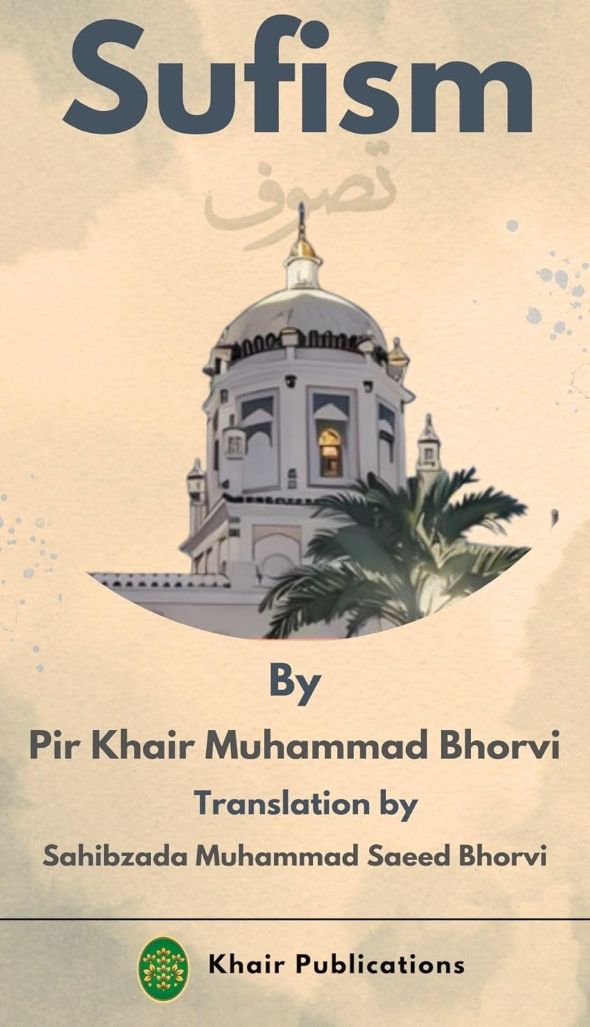
Sufism
Translation by Sahibzada Muhammad Saeed Bhorvi
"Sufism" is a profound work originally authored by Pir Khair Muhammad Bhorvi of Bohr Sharif (Mianwali, Pakistan), offering deep insights into the teachings and practices of Sufism. Written in 1997 in Urdu, the book provides timeless spiritual guidance, leading readers toward enlightenment, inner peace, and a closer connection to the Divine. The book has been widely praised by religious leaders for its depth, clarity, and the way it transcends generations of spiritual wisdom. Recognizing the importance of sharing these teachings beyond the original readership. This transition ensures that Sufism reaches people worldwide, allowing its timeless wisdom to touch hearts across diverse cultures.
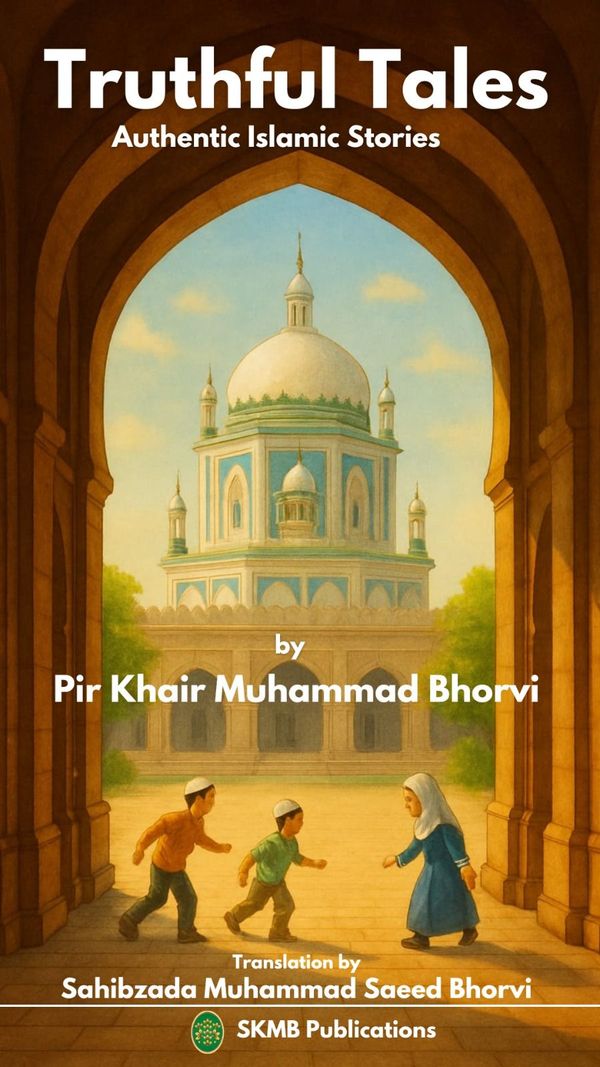
Truthful Tales
Translation by Sahibzada Muhammad Saeed Bhorvi
The book includes over 80 short stories, each offering a timeless lesson on topics like humility, patience, divine help, sincerity, and the power of prayer. Miraculous events, such as the Prophet's blessing over water and food, and the transformation of hearts through Salawat, are beautifully narrated alongside tales of righteous figures like Hazrat Ali (RA), Imam Ja'far al-Sadiq (RA), and Hazrat Anas (RA). The author also highlights the spiritual wisdom and conduct of various Sufi saints, emphasizing themes of love for Allah and service to humanity.
Journal articles & reviews
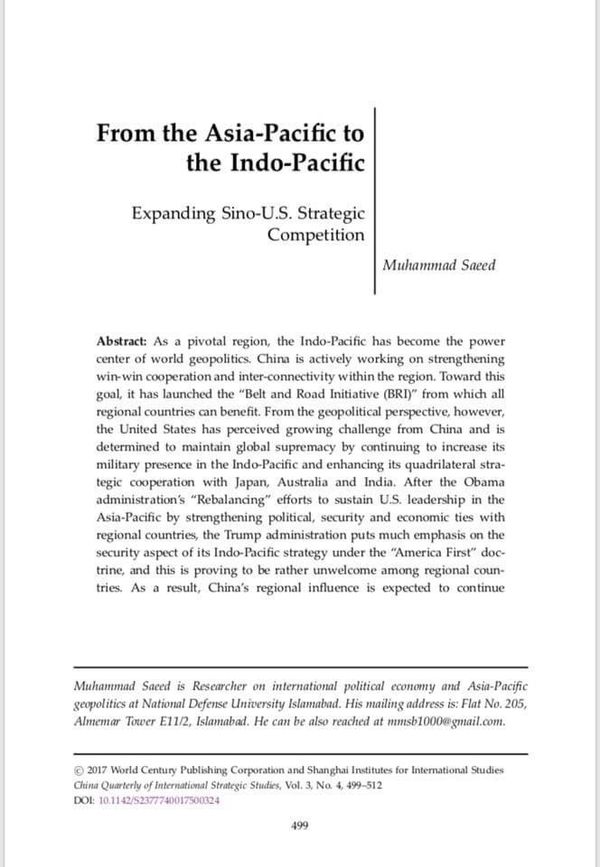
Geopolitics of Indo-asia Pacific
China Quarterly of International Strategic Studies Vol. 3, No. 4
The Indo-Pacific has become a focal point of global geopolitics, with China and the United States vying for influence. China is actively strengthening its position through the "Belt and Road Initiative" (BRI), which promotes economic cooperation and connectivity. The United States, perceiving China's rise as a challenge to its global supremacy, has responded by increasing its military presence and enhancing its strategic "Quad" partnership with Japan, Australia, and India. The shift in U.S. policy from the Obama administration's "Rebalancing" strategy to the Trump administration's "America First" security-focused approach has been met with some resistance in the region. As a result, China's influence is expected to continue to expand through the BRI and other regional integration initiatives.
Read MoreAnalysis of IIOK and Khojaly genocide
The conflicts in Nagorno-Karabakh and Kashmir are presented as highly similar, both being disputed, Muslim-majority territories recognized by the UN, where occupying forces are accused of severe human rights violations. The text laments the silence of the international community, framing it as a major obstacle to resolution. It asserts that while Pakistan and Azerbaijan desire peaceful settlements for their respective issues, the opposing countries are unwilling to resolve the conflicts.
Read More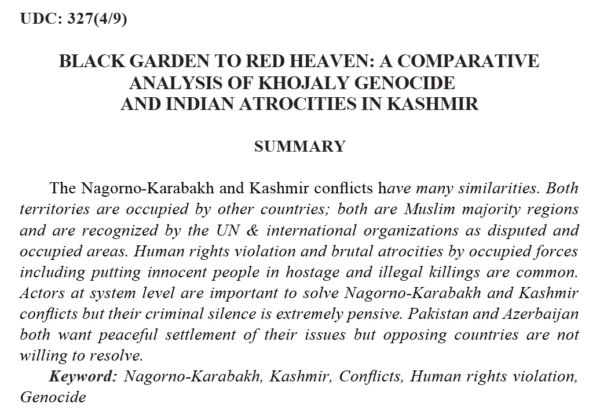
Oil Islam and Conflict
Book Review
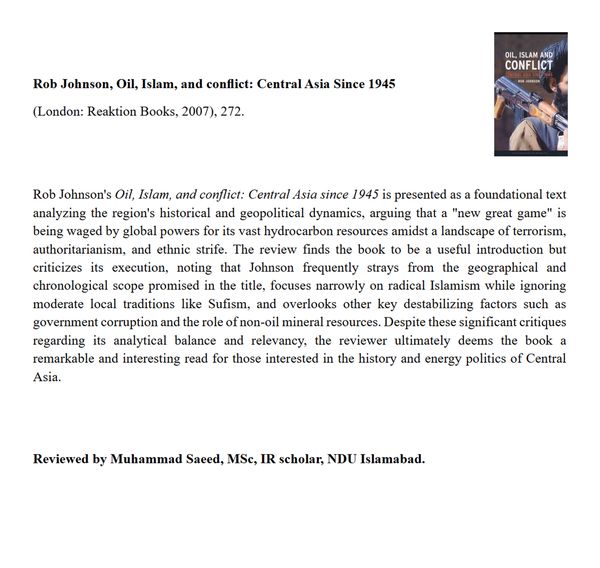
This review examines Rob Johnson's "Oil Islam and Conflict Central Asia Since 1945," highlighting the author's arguments regarding the impact of radical Islamism on regional stability, the interconnections between terrorist movements and Islamist ideology, and the geopolitical implications of Central Asia's hydrocarbon resources. The review critiques the author's focus on radical interpretations of Islam while neglecting moderate forms, as well as the oversimplification of regional conflicts and political dynamics in Central Asia.
Read More